We read a great deal about the Saffron Revolution in Myanmar and the peaceful demonstrations as tens-of-thousands of robed monks marched in the streets. But there is another revolution ongoing in Myanmar. A revolution of small arms and ambushes. A revolution of fractured people’s demanding self-determination.
From The Boston Globe:
Consider General Johnny, commander of the Seventh brigade of the Karen National Liberation Army, military wing of the largest of the 20 ethnic groups that for more than half a century have intermittently fought insurgency wars against the government.
From a hut perched on bamboo stilts, he commands about 1,000 guerrillas in this tiny village on the west bank of the Moei River, a lazy waterway that separates Burma from Thailand, said the general, who gives his name as Johnny.
In the past year, he said, the Burmese Army has not mustered the resolve to force him to move.
“The order from headquarters is to attack us, but the battalion commander who is responsible in this area does not follow the order,” the general said. “He doesn’t want to fight.”
Can an army unwilling to fight still be an army?
The Burmese Army is among the largest in Asia, with about 400,000 soldiers. But parts of it are a shambles, with poor morale, an officer corps that drinks to excess, and an acute desertion problem, according to diplomats, human rights groups, and the army.
Desertion grew by 8 percent last year, according to a report by the London publication “Jane’s Defence Weekly,” which said in April it had obtained an internal army document that summarized a quarterly meeting of regional army commanders. During a four-month period in 2006, the army lost 9,497 people, mostly from desertion, Jane’s said.
Diplomats and human rights officials also say the army’s ability to deploy soldiers has been eroding. “On paper they have 400,000 soldiers, but in the field it is more like 250,000,” said Shari Villarosa, charge d’affaires at the US Embassy in Burma.
To find soldiers, army recruiters often abduct or buy children as young as 10, according to a recent report by the New York-based advocacy group Human Rights Watch. It said children are grabbed at train and bus stations and that some are beaten until they agree to volunteer.
In the United States we have a very difficult relationship with revolutionaries. And the world has a great deal of difficulty grasping why it is that a nation founded a people in revolt against their monarch could not understand their own history.
Why is it that we consistently back the wrong sides?

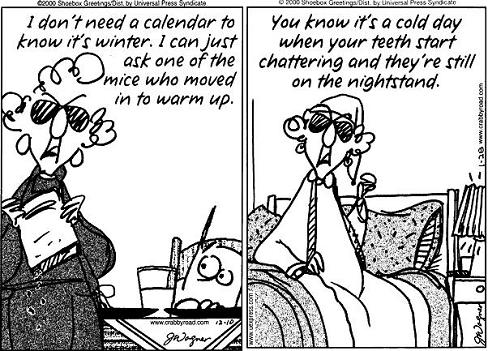
 I could never bring myself to forward all the email jokes, cartoons and other Internet comedy that land in my inbox. But then I started posting the ones my dad sends me. Judging from my comments and emails, my dad has become one of my greatest blogging assets. So for your morning blog chuckle I present: From My Dad.
 My name is Jeff Hess and I’m a biblioholic. I own hundreds of books. Not valuable books, mostly Science Fiction paperbacks and text books, tomes rescued by the bag from library book sales. A few years ago, in the interest of not burying myself, I began reading more books from the library and taking notes.
 I’m constantly tossing interesting websites into what I call my blogpile. Some of them find their way here in the form of regular posts, but more often than not they languish and get buried deeper in the pile. The end result is that I have to go back and do a bit of shoveling. Today’s item is
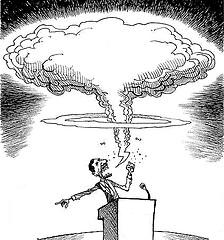


 We do love our conspiracies. And I generally adhere to a bit of adviice I received from Abby Hoffman years ago — never trust conspiracy theorists, they’re all in it together — but the idea of a North American Union fueled by the Amero as the net logical step to the North American Free Trade Agreement makes me hmmm. From